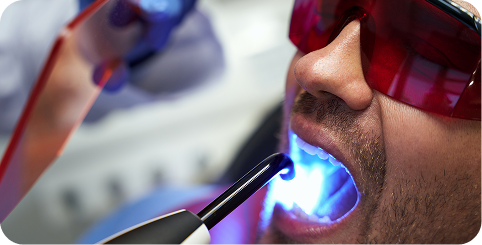
Healthy Gums May Be One Of The Most Important Health Decisions You Make

Personalized protocols, microbiome-aware therapies, and proactive maintenance plans designed to reduce inflammation, protect your smile, and support whole-body health.

Your Gums Are Connected To More Than Your Teeth

What Happens In The Mouth Doesn’t Stay In The Mouth

Most people think of gum disease as a dental problem. But research continues to show that chronic inflammation in the mouth can influence health throughout the body. Your gums are filled with blood vessels that connect directly to the rest of your system. When inflammation and harmful bacteria are present, those effects don’t necessarily stay confined to the mouth. That’s why preventive and periodontal care isn’t just about protecting teeth. It’s about protecting overall health.

Why Gum Health Matters

Heart Health

Chronic inflammation has been associated with increased cardiovascular risk and may contribute to heart-related health concerns.

Pregnancy

Healthy gums are an important part of a healthy pregnancy. Inflammation and periodontal disease may increase the risk of complications.

Long-Term Wellness

Reducing inflammation in the mouth may help support overall health, comfort, and quality of life.

Diabetes

Gum disease and diabetes have a two-way relationship. Elevated blood sugar can increase periodontal risk, while untreated gum disease can make blood sugar management more difficult.

Brain & Cognitive Health

Researchers continue to explore the relationship between chronic inflammation, oral bacteria, and long-term cognitive health.

Measure. Monitor. Personalize.

Because No Two Patients Have The Same Risk Factors
Effective prevention starts with understanding your unique oral health profile. Rather than applying the same recommendations to every patient, we use objective findings to create personalized prevention strategies.

Bleeding Index

Bleeding is one of the earliest indicators of inflammation. Monitoring bleeding patterns helps us evaluate gum health and track improvement over time.

Pocket Depth Measurements

Periodontal pocket measurements allow us to assess the health of the tissues supporting your teeth and identify areas requiring attention.

Salivary & Microbiological Testing

When appropriate, advanced testing may help identify bacterial patterns and other risk factors contributing to disease progression.

Personalized Home-Care Protocols

Based on your findings, we create individualized recommendations that may include oral hygiene modifications, product recommendations, dietary guidance, and preventive strategies.


Treatment Designed Around Prevention And Long-Term Stability

Helping Patients Manage Disease Before It Becomes A Bigger Problem

Non-Surgical Periodontal Therapy

For patients experiencing gum disease, non-surgical treatment may help reduce inflammation, improve tissue health, and slow disease progression.
May Be Recommended For:

Laser Therapy For Periodontal Disease

Advanced laser technology may be incorporated into treatment plans to support tissue healing and help manage periodontal disease.
May Be Recommended For:

Locally Delivered Medications

In certain situations, localized medications may be used to help manage bacterial activity within periodontal pockets.
May Be Recommended For:

Periodontal Maintenance

Once active disease is stabilized, regular maintenance becomes one of the most important steps in protecting long-term oral health.
May Be Recommended For:

Re-Evaluations: Improvement should be measurable Periodic re-evaluations allow us to assess healing, track progress, and make adjustments when necessary.

Myths & Facts About Gum Disease

Myth

Fact

“My gums only bleed when I floss, so it’s not a big deal.”
Healthy gums generally do not bleed. Bleeding is often one of the earliest signs of inflammation.
“If my teeth don’t hurt, everything is fine.”
Gum disease often progresses silently and may not cause pain until significant damage has occurred.
“Bad breath is just something I have to live with.”
Persistent bad breath can sometimes be linked to bacterial imbalance, gum disease, or other treatable conditions.
“Once I lose bone around a tooth, there’s nothing I can do.”
While lost bone may not always be recoverable, treatment can often help stabilize disease and protect remaining support structures.
“Professional cleanings are only about removing tartar.”
Preventive visits help monitor inflammation, identify disease early, and protect both oral and overall health.

Myths & Facts About Gum Disease

Myth

Fact

Myth

“My gums only bleed when I floss, so it’s not a big deal.”

Fact

Healthy gums generally do not bleed. Bleeding is often one of the earliest signs of inflammation.

Myth

“If my teeth don’t hurt, everything is fine.”

Fact

Gum disease often progresses silently and may not cause pain until significant damage has occurred.

Myth

“Bad breath is just something I have to live with.”

Fact

Persistent bad breath can sometimes be linked to bacterial imbalance, gum disease, or other treatable conditions.

Myth

“Once I lose bone around a tooth, there’s nothing I can do.”

Fact

While lost bone may not always be recoverable, treatment can often help stabilize disease and protect remaining support structures.

Myth

“Professional cleanings are only about removing tartar.”

Fact

Preventive visits help monitor inflammation, identify disease early, and protect both oral and overall health.

Frequently Asked Questions

My gums bleed only when I floss. Is that normal?
Bleeding is often one of the earliest indicators of inflammation. If your gums bleed regularly, it’s worth evaluating the underlying cause rather than simply avoiding flossing.
The right solution depends on the cause. Gum disease, bacterial imbalance, dry mouth, oral hygiene habits, and certain health conditions can all contribute to persistent bad breath.
Early-stage gingivitis can often be reversed with proper care. More advanced periodontal disease can typically be managed and stabilized, though treatment recommendations vary by patient.
The appropriate interval depends on your individual risk factors and periodontal health. Some patients benefit from more frequent maintenance schedules.
Pocket depth measurements help us monitor the health of the tissues supporting your teeth and identify disease before significant damage occurs.
Yes. Research continues to demonstrate links between periodontal inflammation and broader health concerns including cardiovascular health, diabetes management, pregnancy outcomes, and systemic inflammation.
Laser therapy is often used as an adjunct to treatment, not a replacement. Recommendations depend on the severity of the condition and the patient’s needs.

The Best Time To Treat Gum Disease Is Before It Becomes Gum Disease

Whether you’re maintaining healthy gums or addressing active periodontal concerns, our goal is to help you reduce inflammation, protect your smile, and support long-term health.

Thank You

Thank you for reaching out. A member of our team will get back to you shortly!

In the meantime, feel free to give us a call if your question can't wait.

Call 715-778-5543