A Tongue-Tie Isn’t About How It Looks. It’s About How It Functions.

From feeding and speech to breathing, sleep, and oral development, tongue and lip ties can affect more than most people realize. Our goal is to help you understand what’s happening and guide you toward the right next step.

It’s Not About The Tie. It’s About What The Tie Is Preventing.

Function Matters More Than Appearance
Many people have been told they or their child have a tongue-tie or lip-tie. The important question isn’t whether a tie exists. The important question is whether it’s affecting function. A restricted tongue or lip can influence feeding, swallowing, oral posture, breathing patterns, speech development, sleep quality, facial growth, and overall comfort.
Some people benefit from treatment. Others do not. That’s why our focus is not simply identifying a tie. It’s understanding how that restriction may be affecting function and determining the most appropriate next step. Every recommendation begins with a comprehensive evaluation and a conversation about your goals, symptoms, and concerns.

Common Signs By Age

Different Ages. Different Clues. Same Goal: Understanding Function.

01

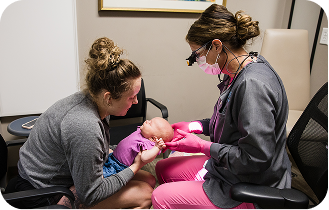
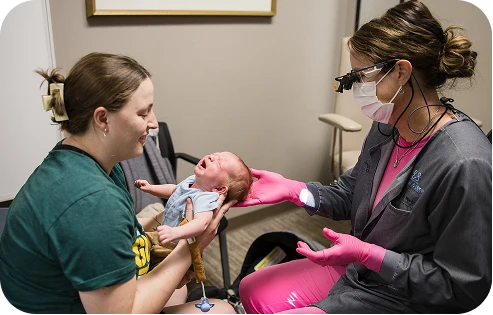
Infants

Possible signs may include:
  • Difficulty latching
  • Painful breastfeeding
  • Poor milk transfer
  • Prolonged feeding sessions
  • Clicking sounds while feeding
  • Reflux symptoms
  • Excessive gas or fussiness
  • Poor weight gain
  • Colic and Frequent awakenings

02

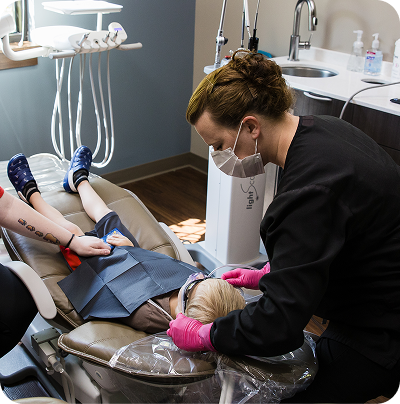
Children

Possible signs may include:
  • Mouth breathing
  • Snoring
  • Restless sleep
  • Teeth grinding
  • Picky eating or texture sensitivities
  • Speech concerns
  • Crowded teeth
  • Open-mouth posture
  • Bedwetting and ADHD-like symptoms

03

Teens & Adults

Possible signs may include:
  • Chronic neck or facial tension
  • Jaw discomfort
  • Clenching and grinding
  • Difficulty maintaining nasal breathing
  • Poor sleep quality
  • Fatigue
  • Oral posture concerns
  • Difficulty swallowing comfortably

Not every symptom is caused by a tongue or lip tie. Our goal is to determine whether oral restrictions may be contributing to the bigger picture..

A Functional Evaluation, Not A Quick Diagnosis

Understanding How Everything Works Together

Tongue and lip ties are best evaluated in the context of overall function. That’s why our assessment goes beyond simply looking under the tongue. Following the evaluation, you’ll receive clear recommendations based on your specific needs.
We evaluate:

Oral Posture

We evaluate where the tongue sits at rest.  The tongue must be against the palate for proper growth and development.  We have the tools to achieve proper tongue placement.

Care Coordination

When appropriate, we collaborate with lactation consultants, myofunctional therapists, speech-language pathologists, bodywork providers, and other healthcare professionals.

Tongue Mobility

How well the tongue moves, elevates, extends, and functions during daily activities.

Swallowing Patterns

Functional swallowing habits and muscular coordination.

Breathing Habits

Whether breathing occurs primarily through the nose or mouth and how that will influence development and health.

Airway Considerations

How oral function, posture, and mobility may relate to breathing and sleep quality.

Why Myofunctional Therapy Matters

Because Lasting Results Depend On More Than A Procedure

A tongue release does not automatically teach the tongue how to function differently. That’s where myofunctional therapy becomes valuable. Myofunctional therapy focuses on retraining the muscles and habits involved in breathing, swallowing, oral posture, and facial development. For some patients, therapy may be recommended before a release. For others, therapy is essential after treatment to support healing and long-term success. In some cases, myofunctional therapy alone may be the most appropriate recommendation.
Our myofunctional therapist, Missy, was trained through The Breathe Institute and is a graduate of MyoMasterminds. She is also an ambassador for The Breathe Institute and participates in annual research updates, continuing to expand her knowledge of airway, breathing, and oral function.
Myofunctional Therapy May Focus On:
The goal is to help the body establish healthier functional patterns that support long-term outcomes.

When A Frenectomy Is The Right Next Step

Comfort-Focused Treatment With Structured Support

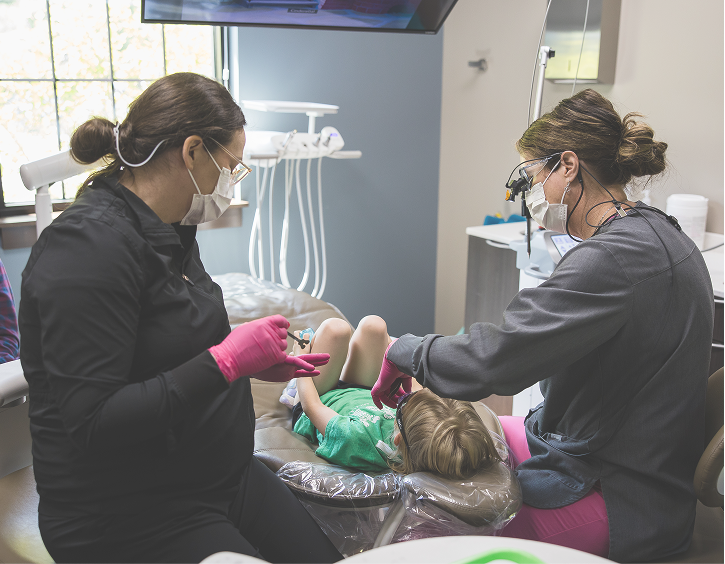
If a functional restriction is identified and treatment is appropriate, a frenectomy may be recommended. A frenectomy is a procedure that releases restrictive tissue beneath the tongue or lip to improve mobility and function. Our approach focuses on patient comfort, education, and comprehensive support throughout the process.
What To Expect

Before Treatment

During Treatment

After Treatment

The procedure itself is only one part of the process. Long-term success depends on healing, function, and proper follow-up care.

Additional Support For
Healing & Recovery

Helping Patients Heal Comfortably And Predictably
Depending on your situation, additional supportive therapies may be incorporated into your treatment plan.

Photobiomodulation Therapy (PBM)

Our laser technology may be used to support healing, reduce inflammation, and improve comfort following treatment.

Craniosacral
Therapy (CST)

For infants and selected patients, Craniosacral Therapy may be recommended as part of a collaborative approach to feeding, oral function, and healthy development.

Collaborative Care

We frequently work alongside lactation consultants, myofunctional therapists, bodywork providers, and other healthcare professionals to support the best possible outcomes.

Frequently Asked Questions

Does every tongue-tie need to be released?
No. Treatment decisions should be based on function, symptoms, and overall goals, not simply the presence of a tie.
Many children show signs such as feeding challenges, mouth breathing, sleep concerns, speech issues, or oral posture problems. A comprehensive evaluation can help determine whether a restriction may be contributing.
Not always, but it is frequently recommended because it helps establish healthier functional patterns and often improves long-term outcomes.
Most patients tolerate treatment very well. We focus on comfort and provide detailed instructions to support healing and recovery.
Healing timelines vary, but most patients return to normal activities quickly while continuing structured aftercare and follow-up.
Yes. Many adults seek evaluation for concerns related to tension, clenching, sleep quality, swallowing patterns, or oral function.
Absolutely. Collaboration with lactation consultants is an important part of infant feeding support when appropriate.
We’ll explain our findings and provide guidance regarding the most appropriate next steps, which may include observation, therapy, or other forms of support.

The First Step Is
Understanding Function

Whether you’re concerned about feeding challenges, breathing patterns, oral development, sleep quality, or long-term function, a comprehensive evaluation can help provide clarity and direction.

Thank You

Thank you for reaching out. A member of our team will get back to you shortly!

In the meantime, feel free to give us a call if your question can't wait.

Call 715-778-5543