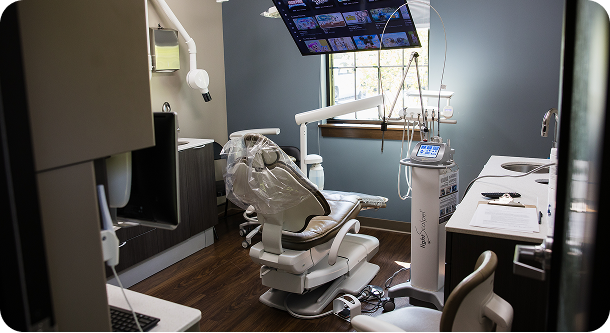

You’ve Been Told To Treat The Symptoms. What If It’s Time To Understand The Cause?

We assess airway-related signs and collaborate with trusted partners so you get the right next step, without one-size-fits-all devices or rushed recommendations.

Do These Sound Familiar?

Many Airway And Sleep Concerns Show Up In Places You Wouldn’t Expect
Most people don’t seek out an airway evaluation because they’re concerned about their airway. They come because they’re tired. Or they’re grinding their teeth. Or they wake up with headaches. Or their spouse can’t sleep because of the snoring. The challenge is that airway-related problems often appear as symptoms that seem unrelated. Our goal is to help determine whether breathing and sleep may be part of the bigger picture.

Snoring

Frequent snoring is a sign that airflow is being restricted during sleep.

Daytime Sleepiness

Feeling exhausted despite spending enough time in bed may indicate poor sleep quality rather than insufficient sleep quantity.

Morning Headaches

Many patients experiencing disrupted breathing patterns wake up with tension headaches or facial discomfort.

Clenching & Grinding

The body often compensates for breathing challenges during sleep through muscle activity and protective grinding patterns.

Mouth Breathing

Breathing through the mouth, especially during sleep, can impact oral health, sleep quality, and overall function.

Restless Sleep

Frequent waking, tossing and turning, unusual sleeping positions, and disrupted sleep may warrant further evaluation.

Jaw Tension

Chronic muscle tension and TMJ symptoms are often part of a larger functional picture.

Difficulty Focusing

Poor sleep quality can affect concentration, energy levels, mood, and overall performance.

Our Assessment Process

Looking Beyond Symptoms To Understand The Full Picture
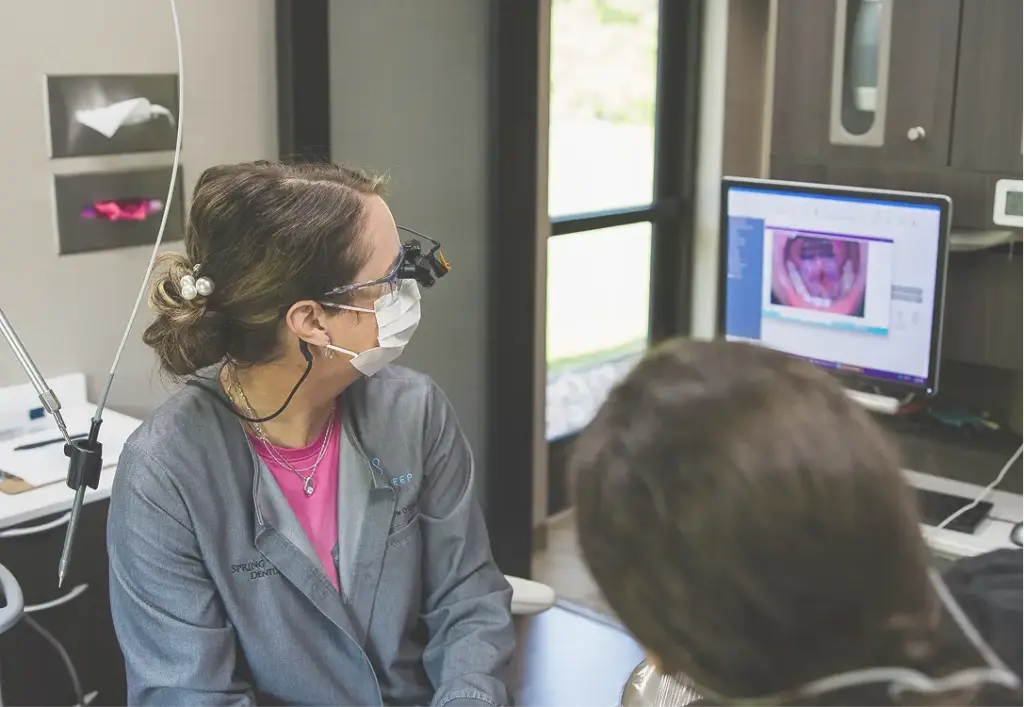
An airway screening is not about making assumptions. It’s about gathering information. We evaluate multiple factors that may be contributing to sleep-disordered breathing and airway concerns, helping you understand whether additional investigation is appropriate.

Our Goal is to help patients understand what information is needed and where to obtain it.

Care Pathways Built Around Collaboration

The Right Care Often Involves The Right Team
Airway and sleep concerns rarely fit neatly into a single specialty. That’s why our role is often to help patients navigate a broader network of providers and treatment options. Depending on your needs, recommendations may include coordination with:

Sleep Physicians

For diagnosis, sleep testing interpretation, and medical management.

Myofunctional Therapists & Speech-Language Pathologists

We are proud to have one of the area's most highly trained myofunctional therapists on our team, providing in-house myofunctional therapy and Craniosacral Therapy (CST) for infants and children. We also collaborate with speech-language pathologists when appropriate. Adult myofunctional therapy is provided through trusted referral partners.

Physical Therapy

To improve posture, muscle function, and structural patterns that may influence breathing and sleep.

Additional Medical Specialists

Including ENTs, oral surgeons, and other providers when advanced evaluation or treatment is indicated.

Craniofacial Therapy & Craniosacral
Therapy (Adults)

When appropriate, supportive therapies may be incorporated as part of a comprehensive treatment approach.

Follow-Up Support

Our team remains involved throughout the process to help coordinate communication, answer questions, and ensure you understand your options.
Assessment And Coordination, Not One-Size-Fits-All Solutions

Many airway-focused dental practices primarily focus on fabricating oral appliances. That is not the role of this practice. We do not fabricate sleep appliances or oral devices for sleep-disordered breathing.
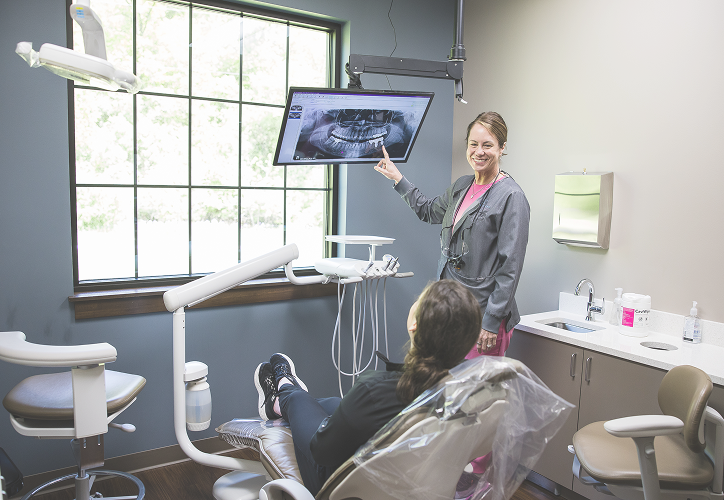
Instead, we focus on comprehensive assessment, education, referral coordination, and helping patients understand the full spectrum of available treatment options. Our goal is to help you arrive at the right solution, not simply the most convenient one.

Understanding Airway Health Is A Process, Not A Single Appointment

Every patient begins in a different place, which means every journey looks a little different. For most patients, the process follows several phases:

01

Screening & Discovery

Identify symptoms, collect information, and determine whether additional evaluation is appropriate.

02

Additional Testing

Sleep studies, specialist consultations, or additional diagnostics may be recommended.

03

Care Coordination

Appropriate referrals are made and treatment pathways are discussed.

04

Ongoing Communication

We continue collaborating with patients and partner providers to help support long-term success.

Frequently Asked Questions

Do you make oral appliances?
No. Our focus is on assessment, education, and care coordination. When treatment is needed, we help connect patients with the appropriate providers.
Absolutely. Many patients begin with an airway screening to better understand whether breathing or sleep concerns may be contributing to their symptoms.
That depends on the complexity of the situation and whether additional testing or specialist involvement is needed. Some patients move quickly through the process, while others benefit from a more comprehensive evaluation over time.

The First Step Isn’t Treatment. It’s Understanding What’s Really Going On.

If you’re experiencing symptoms that don’t seem to have clear answers, an airway and sleep screening may help uncover important pieces of the puzzle.

Thank You

Thank you for reaching out. A member of our team will get back to you shortly!

In the meantime, feel free to give us a call if your question can't wait.

Call 715-778-5543